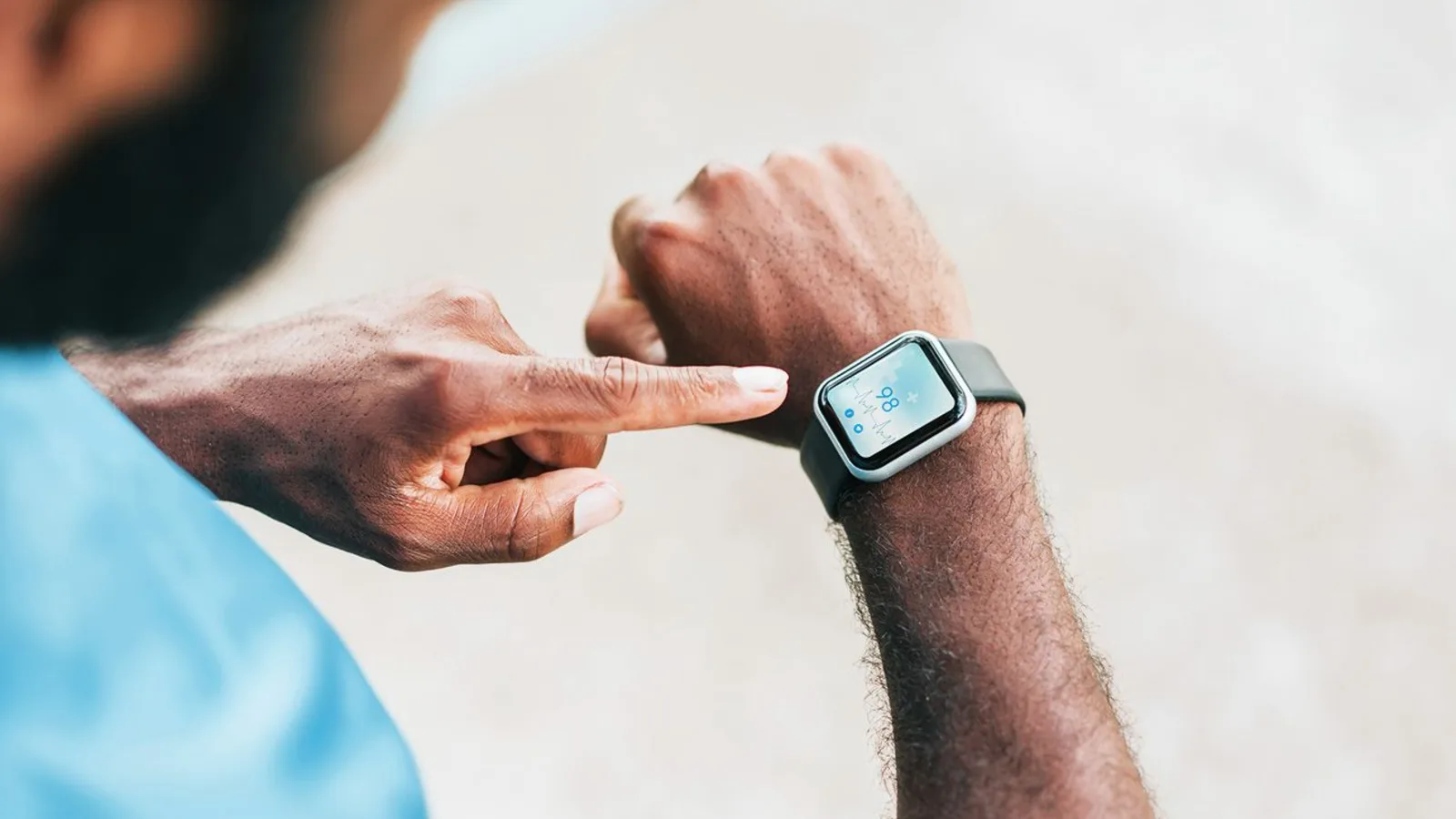
Smartwatch vs Smart Ring vs Fitness Band: Which Sports Tech Actually Fits Your Training?
Picking the wrong wearable category for your goals is the most common reason people stop wearing their fitness tech. Here's how to match device to purpose — and which specific models stand out in 2026.
By RSW Editorial · February 28, 2026 · 7 min read · gear-reviews
Walk into any sports tech conversation in 2026 and you'll hit the same fork in the road: smartwatch, smart ring, or fitness band? Each category has carved out a genuinely different niche, and picking the wrong one for your goals is the most common reason people stop wearing their fitness tech within a few months.
If You Train Seriously and Want Data Mid-Workout: Smartwatch
A full-featured smartwatch is still unmatched for real-time, in-the-moment training feedback — pace alerts, heart rate zones, route mapping, and recovery scores all visible at a glance. The Coros Apex 4 is built specifically for endurance athletes, offering up to 90 hours of continuous GPS tracking for multi-day events. The Apple Watch Ultra 3 leans toward an all-rounder approach with satellite connectivity and a 42-hour battery, better suited to people who also want notifications, payments, and communication from a single device.
If Your Main Goal Is Sleep, Recovery, and Stress: Smart Ring
Rings have become the go-to for people who care more about what happens after training than during it. The category leader remains the Oura Ring, prized for Daytime Stress monitoring, Symptom Radar, and an AI-powered advisor that interprets biometric trends in plain language.
Some newer entrants are pushing further still — Ultrahuman's leadership has publicly described the ambition for smart rings to function as a true "computer on the body," capable of basic on-device reasoning rather than just passive sensing. The form factor's core advantage remains the same: comfortable enough to wear to bed every night, giving recovery data that a wrist-worn device often doesn't capture properly.
If You Want Simplicity and Long Battery Life: Fitness Band
Bands like the Fitbit Charge 6 sacrifice some smartwatch features in exchange for comfort, lower cost, and considerably longer battery life — with 40 supported exercise modes covering the vast majority of casual and semi-serious training needs. If your core requirement is activity tracking without bulk or price, a band is often the most honest choice.
The Honest Answer: Most People Overbuy
A genuinely common mistake is buying the most feature-packed device on the market and using 10% of its capability. If you're not training for an ultramarathon, you don't need 90-hour GPS battery life. If you're not tracking sleep stages carefully, a smart ring's main selling point won't matter to you.
Match the device to the specific problem you're trying to solve — training feedback, recovery insight, or simple activity tracking — rather than buying based on spec sheets alone.
FAQs
Can a smart ring replace a smartwatch entirely? For most data-driven recovery and sleep tracking, yes — but if you want live training metrics, notifications, or GPS mapping during a workout, a smartwatch remains the better fit.
Which device category has the best battery life? Smart rings generally lead, often lasting 4–7 days per charge, with some fitness bands lasting up to two weeks, while feature-rich smartwatches typically need charging every 1–3 days under heavy use.
Is a more expensive wearable always more accurate? Not always — premium pricing often reflects additional features (satellite connectivity, advanced GPS, broader sensor arrays) rather than meaningfully better accuracy on basic metrics like step count or heart rate.
What should a complete beginner to fitness tech buy first? A mid-range fitness band or budget smartwatch is usually the best starting point — enough data to build awareness of your activity and sleep patterns, without paying for advanced features you may not yet use.