The Sports Exoskeleton Market Explained: Who's Building What, and Why It's Growing So Fast
From $231M in 2025 to a projected $1.5B+ by 2033 — here's who's leading the sports exoskeleton industry, what the technology actually does, and what's driving the growth.
By RSW Editorial · March 5, 2026 · 7 min read · robot-athletes
Wearable robotics has quietly become one of the fastest-growing corners of the sports technology industry. The global sports exoskeleton market reached roughly $231.79 million in 2025 and is projected to grow at a compound annual rate above 26% through 2033 — a trajectory that puts it on track to be worth well over a billion dollars within less than a decade.
What Exactly Counts as a "Sports Exoskeleton"?
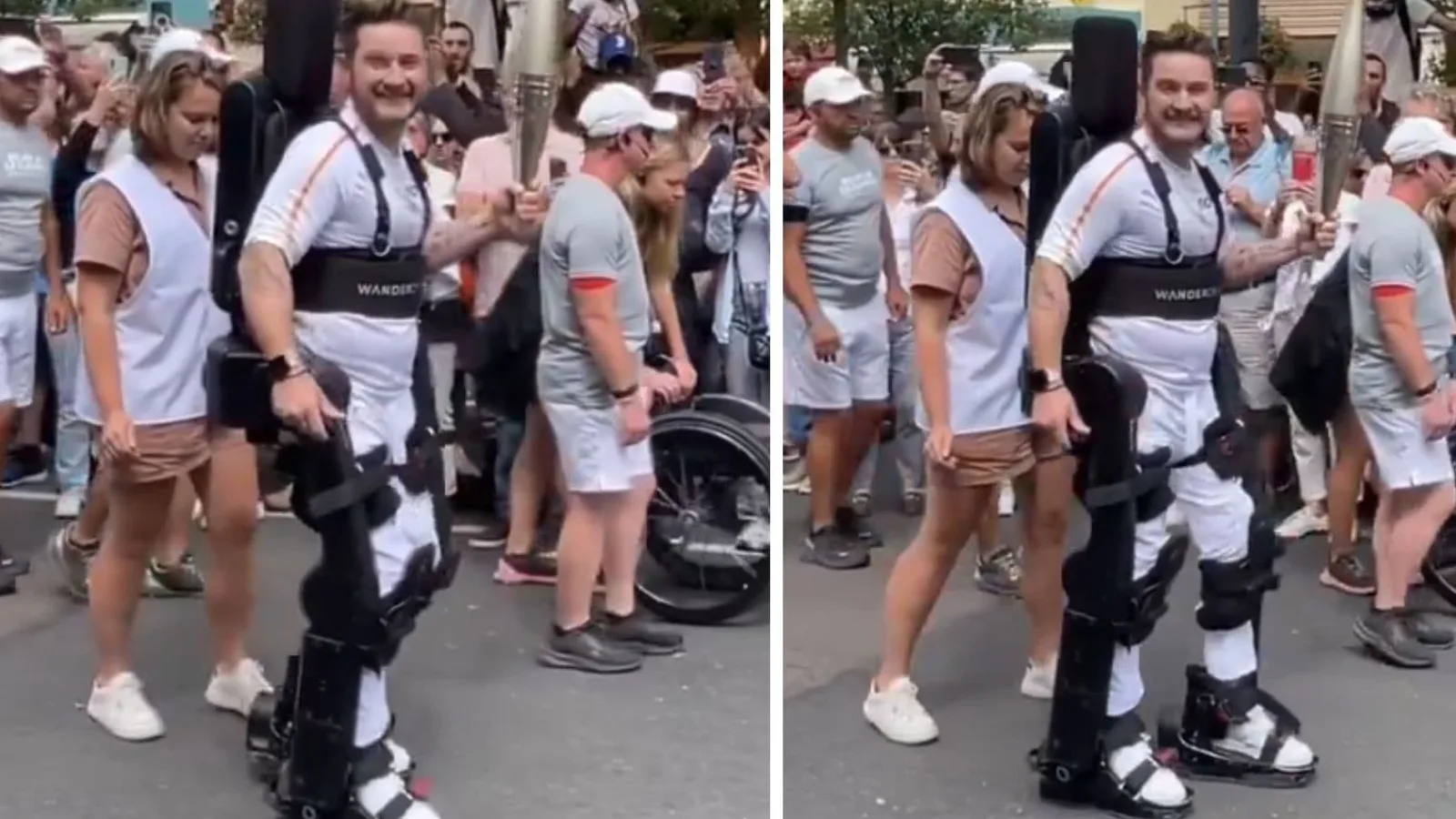
At its core, a sports exoskeleton is a wearable device — typically using motors, mechanical actuators, or sensor-driven passive systems — designed to support, assist, or enhance the body's natural movement. The applications split broadly into two camps: performance enhancement (helping athletes train harder, longer, and with less fatigue) and rehabilitation (helping injured athletes recover mobility and strength faster and more safely).
The line between these two categories is increasingly blurry. Devices designed for recovery are finding their way onto training floors. Performance-oriented wearables are incorporating recovery and injury-prevention modes. The result is a new category of technology that follows an athlete through the entire training cycle, not just its injury phase.
Who's Building This Technology?
A handful of companies currently dominate the landscape:
Ekso Bionics has focused heavily on rehabilitation applications, including ACL recovery and post-injury athletic training. At CES 2026, the company unveiled an AI-enabled sports exoskeleton prototype with real-time terrain-adaptive controls and lightweight carbon-fibre construction — aimed squarely at athletic mobility and injury prevention, not just clinical recovery.
Sarcos Technology and Robotics has pushed into AI-driven wearable systems that combine sports rehabilitation with broader high-performance applications, including industrial settings where the engineering crossover is significant.
Össur (Iceland) continues to refine lower-limb systems with sensor-driven biomechanical feedback specifically aimed at agility and joint stability — particularly relevant for sports involving explosive directional changes.
Cyberdyne (Japan) has taken a markedly different technical approach with its HAL Lumbar Support, using neurosensing technology to read electrical signals directly from the body and help athletes retrain overworked muscle groups at the neural level, not just the mechanical one.
What's Driving the Growth?
Three forces are converging at once: lighter materials (carbon fibre and advanced composites are replacing heavier metal frameworks), smarter control systems (AI-driven motion algorithms that adapt in real time rather than offering fixed resistance), and a genuine shift in sports science philosophy — moving away from passive recovery gear and toward active, biomechanically adaptive systems that work with the body.
Where Is This Headed?
Expect exoskeletons to move further from clinical rehabilitation settings into mainstream training environments. As prices fall and AI-driven personalisation improves, what's currently elite-athlete and clinical technology is likely to filter down into semi-professional and serious amateur training within the next several years — much as GPS running watches went from niche to ubiquitous over the past decade.
FAQs
How big is the sports exoskeleton market currently? The global market was valued at roughly $231.79 million in 2025, with projections suggesting it could exceed $1.5 billion by 2033.
What's the difference between rehabilitation and performance exoskeletons? Rehabilitation exoskeletons primarily assist injured athletes in regaining mobility and strength safely, while performance exoskeletons aim to reduce fatigue and enhance capability during active training, though the line is increasingly blurry.
Which companies lead the sports exoskeleton industry? Key players include Ekso Bionics, Sarcos Technology and Robotics, Össur, German Bionic, and Cyberdyne, each focusing on slightly different technical approaches and applications.
Will exoskeletons eventually be common for amateur athletes? Many analysts expect costs to fall and designs to lighten over the coming years, gradually expanding exoskeleton use beyond professional and clinical settings into broader amateur training.